The Hyrox Pacing Mistake Almost Every First-Timer Makes on the Opening Run
Nearly every first-time Hyrox competitor runs the opening one-kilometer segment faster than they should, a genuinely predictable mistake with a specific, identifiable cause, and it reliably costs them later in the race. Here is the actual reason this happens and how to pace that opening segment correctly.

Why the Opening Run Specifically Tricks First-Timers Into Too Fast a Pace
The specific reason: the fresh-legs-and-race-day-adrenaline-make-a-pace-that-is-actually-too-fast-feel-completely-comfortable-and-sustainable-in-the-moment (the combination of genuinely fresh legs and race-day adrenaline making a pace that is objectively too fast for the full race distance feel completely comfortable and sustainable in that specific early moment, a perception gap that doesn’t correct itself until real fatigue sets in much later, per the hyrox-beginner-guide logic — the combination-of-genuinely-fresh-legs-and-race-day-adrenaline-making-an-objectively-too-fast-pace-feel-completely-comfortable-and-sustainable-in-that-specific-early-moment), the the-first-time-racers-have-no-personal-reference-point-yet-for-how-the-combined-run-and-station-fatigue-will-actually-feel-later-in-the-race (the lack of any prior personal experience with how running fatigue compounds specifically with the station-based fatigue later in a Hyrox race, meaning a first-timer has no accurate internal reference to calibrate the opening pace against, per the hyrox-race-day-guide logic — the lack-of-any-prior-personal-experience-with-how-running-fatigue-compounds-specifically-with-station-based-fatigue-later-meaning-a-first-timer-has-no-accurate-internal-reference-to-calibrate-against), and the reframe (the pacing mistake as a predictable perception gap driven by fresh legs, adrenaline, and a genuine lack of prior reference experience — not a sign of poor race strategy awareness or insufficient training).

Why Even Experienced Racers Sometimes Have to Relearn This Lesson
Why it’s not a one-time fix: the a-new-course-different-weather-or-a-longer-layoff-between-races-can-reset-some-of-the-calibration-built-from-prior-race-experience (the a genuinely different course, unusual weather conditions, or a long layoff between races potentially resetting some of the pacing calibration built up from prior race experience, meaning even a racer who’s learned this lesson once can drift back toward the same mistake under different circumstances, per the hyrox-transitions-and-the-roxzone-guide logic — the a-genuinely-different-course-unusual-weather-or-a-long-layoff-between-races-potentially-resetting-some-of-the-pacing-calibration-built-up-from-prior-race-experience), and the frame (the ongoing relevance as a reason to keep deliberately rehearsing restrained opening pace in training even after a first successful race, rather than assuming the lesson, once learned, stays permanently learned regardless of changing conditions).
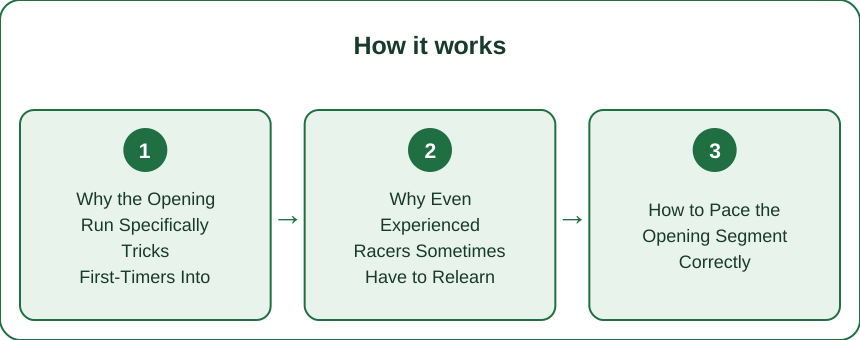
How to Pace the Opening Segment Correctly
The practical fix: the deliberately-target-a-pace-noticeably-slower-than-what-feels-natural-in-the-opening-kilometer-specifically (the consciously targeting a pace deliberately slower than what feels natural and comfortable during the opening segment specifically, actively correcting for the known perception gap rather than trusting how the pace feels in the moment, per the hyrox-training-plan-guide logic — the consciously-targeting-a-pace-deliberately-slower-than-what-feels-natural-during-the-opening-segment-specifically-actively-corrects-for-the-known-perception-gap-rather-than-trusting-how-it-feels-in-the-moment), the the-use-a-specific-predetermined-pace-target-checked-against-a-watch-rather-than-relying-on-feel-for-this-specific-segment (the using an actual predetermined pace number checked against a watch during the opening segment specifically, rather than relying on feel, since feel is exactly what’s known to be unreliable at this particular point in the race, per the hyrox-running-under-fatigue-guide logic — the using-an-actual-predetermined-pace-number-checked-against-a-watch-during-the-opening-segment-specifically-rather-than-relying-on-feel-which-is-exactly-whats-known-to-be-unreliable-at-this-point), the the-practice-this-exact-restrained-pacing-during-training-simulations-so-it-feels-familiar-rather-than-being-attempted-cold-on-race-day (the specifically rehearsing the deliberately restrained opening pace during training simulations beforehand, so executing it doesn’t feel unfamiliar or require willpower for the first time on race day itself, per the hyrox-strength-and-conditioning-guide logic — the specifically-rehearsing-the-deliberately-restrained-opening-pace-during-training-simulations-beforehand-so-executing-it-doesnt-feel-unfamiliar-or-require-willpower-for-the-first-time-on-race-day), and the frame (the correct approach as deliberately targeting a slower-than-feels-natural pace for the opening segment specifically, checking against a watch rather than trusting feel, and rehearsing the restrained pace during training so it’s familiar by race day — actively correcting for a well-known, predictable perception gap rather than trusting instinct in the one segment where instinct is known to be unreliable).
Nearly every first-time Hyrox racer runs the opening one-kilometer segment too fast because fresh legs and race-day adrenaline make an objectively unsustainable pace feel completely comfortable in that specific early moment, and a first-timer has no prior personal reference for how running fatigue will later compound with station-based fatigue, leaving no accurate internal calibration point. The fix is deliberately targeting a pace noticeably slower than what feels natural during the opening segment specifically, using an actual predetermined pace number checked against a watch rather than relying on feel, since feel is exactly what’s known to be unreliable at this particular point in the race, and rehearsing that deliberately restrained opening pace during training simulations beforehand so executing it on race day doesn’t require unfamiliar willpower in the moment.
Keep Reading
This article is for general informational and styling purposes only. Fit, sizing, and product availability may vary.